
How Can You Turn "Long-Tail" Legal Questions Into High-Converting Blog Posts for Lawyer and Law Firm Websites in 2026?
Why Long-Tail Legal Questions Matter More Than Ever
Law firm websites in 2026 face stronger competition than ever before. Search engines continue to prioritize useful, experience-driven content while potential clients expect direct and trustworthy answers. General legal keywords are often crowded with large firms, directories, and national websites. Because of this, many law firms are shifting their attention toward long-tail legal questions.
Long-tail legal questions are highly specific search phrases people type into search engines when they need clear guidance. These searches usually come from individuals who are closer to hiring a lawyer because their problem is detailed, urgent, and personal.
Examples include:
- “What should I do after a rear-end accident in Chicago?”
- “Can I sue a nursing home for neglect in Illinois?”
- “How long does a divorce take in Texas with children involved?”
- “Do I need a lawyer after a denied workers’ compensation claim?”
These searches reveal intent. Someone asking a detailed question is usually further along in the decision-making process than someone searching only for “personal injury lawyer.”
For law firms, this creates a major opportunity. A blog post built around a targeted legal question can attract qualified traffic, establish authority, increase trust, and generate consultations without relying on aggressive sales tactics.
The most effective lawyer websites in 2026 are not simply publishing random legal articles. They are strategically turning real client questions into conversion-focused content.
Understanding Search Intent Behind Legal Questions
Before writing any blog post, law firms need to understand why someone is searching for a particular question.
Search intent is one of the most important ranking and conversion factors in modern SEO. Search engines now evaluate whether a piece of content genuinely satisfies the user’s question.
Most legal searches fall into several categories:
- “What happens after a DUI arrest?”
- “What is comparative negligence?”
- “How are damages calculated in truck accidents?”
- “Best wrongful death lawyer near me”
- “Free consultation car accident attorney”
- “Medical malpractice lawyer in Phoenix”
- “Can I still recover compensation if I was partly at fault?”
- “Should I speak to the insurance adjuster after a crash?”
- “Can grandparents get custody rights in Florida?”
These users are searching for guidance related to a specific situation. They are often emotionally stressed and looking for clarity.
High-converting legal blog posts usually focus on problem-solving intent because they align naturally with consultation inquiries.
How to Find Long-Tail Legal Questions That Actually Convert
Not every legal question will generate leads. Successful law firms focus on questions tied to real hiring intent.
One of the best sources for blog ideas is your own intake process. Pay attention to:
- Questions potential clients ask during consultations
- Common concerns mentioned during phone calls
- Objections that delay hiring decisions
- Misunderstandings about legal procedures
- Questions about timelines, costs, and outcomes
If multiple people ask the same question, there is a strong chance others are searching for it online.
Search engine autocomplete suggestions often reveal valuable long-tail searches. For example, typing “Can I sue after” may produce suggestions such as:
- “Can I sue after a slip and fall at work?”
- “Can I sue after a car accident if I was not injured immediately?”
- “Can I sue after signing a settlement agreement?”
These searches reflect real user behavior.
Search engines frequently display related questions connected to the main search query. These questions help law firms discover:
- Related blog topics
- Follow-up concerns users commonly have
- Supporting sections to include within articles
- Additional internal linking opportunities
Many law firm blogs still produce generic legal articles that lack detail. This creates opportunities to outperform competitors by:
- Answering questions more thoroughly
- Adding local context
- Using simpler language
- Including actionable guidance
- Explaining realistic next steps
The goal is not to create longer content simply for the sake of length. The goal is to create content that fully answers the user’s concern.
Choosing Questions With Strong Conversion Potential
Some legal topics attract readers but generate very few leads. Others consistently drive consultations. The strongest conversion-focused legal questions usually involve:
Questions involving deadlines, court appearances, injuries, arrests, or denied claims often convert well because users need immediate guidance. Examples include:
- “How long do I have to file a personal injury claim?”
- “What happens if I miss my court date?”
- “What should I do after a trucking accident?”
People are more likely to contact a lawyer when money is involved. Examples include:
- “How much compensation can I receive after a motorcycle accident?”
- “Can I recover lost wages after a workplace injury?”
- “What damages are available in wrongful death claims?”
Emotionally charged legal situations often lead to consultations. Examples include:
- Child custody disputes
- Serious injuries
- Criminal charges
- Nursing home abuse
- Wrongful termination
Many potential clients contact attorneys because they are uncertain about their legal rights. Questions such as these often perform well:
- “Can I still sue if I signed paperwork?”
- “Can undocumented immigrants file injury claims?”
- “Can I get compensation if the other driver was uninsured?”
Structuring Blog Posts for Higher Conversion Rates
A high-ranking article does not automatically become a high-converting article. Law firms must structure content in ways that build trust and encourage action.
The introduction should immediately acknowledge the user’s problem. Avoid overly technical openings or lengthy explanations about the law firm.
Instead of: “Personal injury law is a broad legal field covering many types of accidents.”
Use: “After a rear-end collision, many drivers are unsure whether they should speak to the insurance company before talking to a lawyer. In many cases, what you say early on can affect your claim.”
This approach keeps the article focused on the reader.
Headers improve readability and help search engines understand the structure of the content. Effective headers often mirror related search queries. Examples include:
- What Evidence Should You Collect?
- Should You Accept the First Settlement Offer?
- When Should You Contact a Lawyer?
- What Damages Can You Recover?
Clear organization keeps readers engaged longer.
Many users scan articles quickly. Do not force readers to scroll through unnecessary background information before answering the core question. A strong legal blog post provides:
- A direct answer
- Context and explanation
- Practical examples
- Potential exceptions
- Actionable next steps
This structure increases trust and improves user satisfaction.
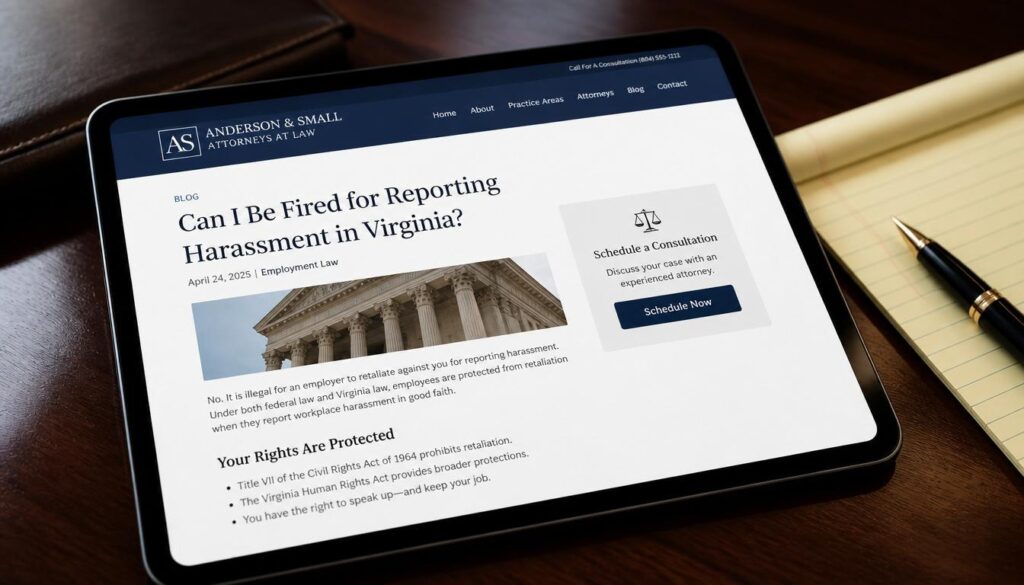
Use Plain Language Instead of Legal Jargon
Potential clients are often overwhelmed or stressed when searching for legal guidance.
Simple language improves comprehension and engagement.
Instead of: “The plaintiff may pursue compensatory damages subject to comparative fault limitations.”
Use: “You may still recover compensation even if you were partly responsible for the accident, although your recovery could be reduced.”
Clear communication helps build confidence.
Add Realistic Scenarios and Examples
Examples help users connect legal concepts to real situations.
For instance, instead of vaguely discussing distracted driving claims, explain how a driver checking text messages at an intersection could create liability.
Scenario-based explanations make content more relatable and persuasive.
Building Trust Through Helpful Legal Content
Trust is one of the biggest conversion factors for law firm websites.
Potential clients are often cautious when choosing legal representation.
Helpful content reduces skepticism.
The best-performing law firm blog posts do not feel like advertisements. Readers are more likely to contact a lawyer after receiving useful guidance. Aggressive calls to action throughout the article can reduce credibility. Instead, focus on:
- Explaining legal processes
- Clarifying misconceptions
- Setting realistic expectations
- Identifying common mistakes
- Helping users understand risks
This approach positions the law firm as a trusted resource.
Law firms can showcase experience without sounding self-promotional. For example:
“Our firm frequently speaks with injured drivers who accepted early settlement offers before understanding the full extent of their medical expenses.”
This type of statement demonstrates familiarity with real cases while maintaining a professional tone.
Localized content often performs better in search rankings and conversions. Legal rules vary significantly between states. Adding jurisdiction-specific details helps readers feel the content is directly relevant to their situation. Examples include:
- Filing deadlines in a specific state
- Comparative negligence rules
- Local court procedures
- State insurance requirements
- County-specific legal concerns
Localized content also helps law firms compete in regional search results.
Optimizing Long-Tail Legal Content for SEO in 2026
Search engine optimization continues evolving rapidly. In 2026, legal SEO is heavily influenced by user experience, topical authority, semantic relevance, and content usefulness.
Modern search engines understand context better than ever. Keyword stuffing is ineffective and can reduce content quality. Instead, naturally include:
- The main long-tail question
- Related phrases
- Synonyms
- Supporting legal concepts
- Geographic references when relevant
A natural writing style improves readability while supporting SEO.
Comprehensive legal content often ranks better because it addresses multiple related concerns. For example, a post about denied workers’ compensation claims may also cover:
- Appeal deadlines
- Medical evaluations
- Employer retaliation
- Settlement considerations
- Required documentation
This improves topical depth.
Search engines increasingly evaluate behavioral signals. Poor formatting can increase bounce rates. Strong legal blog posts should include:
- Short paragraphs
- Clear subheadings
- Bullet points
- Simple sentence structures
- Logical progression
A clean reading experience keeps users engaged.
Internal linking helps search engines understand website structure while guiding users toward conversion-focused pages. For example, a blog post about truck accidents may link to:
- Truck accident service pages
- Wrongful death pages
- Insurance claim resources
- Case result pages
- Contact forms
Strategic linking helps move users deeper into the website.
Creating Calls to Action That Feel Natural
Many law firms damage conversions by using overly aggressive sales language. Potential clients usually respond better to calm, supportive calls to action.
Focus on Guidance Rather Than Pressure
Instead of: “Call now before it’s too late!”
Use: “If you have questions about your legal options after an accident, speaking with an attorney may help you understand what steps to take next.”
This approach feels more trustworthy.
Place Calls to Action Strategically
Effective placement areas include:
- After answering the main question
- Near emotionally significant sections
- At the conclusion of the article
- Within sidebar resources
Too many calls to action can reduce engagement.
Different blog topics require different conversion approaches. Examples include:
- Free consultations
- Case evaluations
- Downloadable legal guides
- FAQ pages
- Contact forms
- Phone calls
The call to action should feel like a logical next step.
Using AI Responsibly for Legal Content Creation
Artificial intelligence tools are increasingly used in legal marketing, but low-quality AI content can hurt credibility.
In 2026, search engines are rewarding content that demonstrates:
- Accuracy
- Experience
- Original insights
- Human review
- Practical usefulness
Law firms should avoid publishing generic AI-generated articles without attorney oversight.
Combine AI Efficiency With Human Expertise
- Topic research
- Outline generation
- FAQ development
- Content organization
- Draft assistance
- Verify legal accuracy
- Add jurisdiction-specific information
- Include practical insights
- Improve clarity
- Ensure ethical compliance
Human expertise remains critical.
Avoid Thin or Repetitive Legal Content
Publishing large numbers of shallow articles is no longer an effective strategy.
Search engines increasingly prioritize quality over quantity.
A single comprehensive article answering a highly relevant legal question may outperform dozens of weaker posts.
Measuring the Success of Long-Tail Legal Blog Posts
Law firms should monitor performance beyond simple traffic numbers.
High traffic alone does not guarantee business growth
Important metrics include:
- Consultation requests
- Contact form submissions
- Phone calls
- Time on page
- Return visitors
- Scroll depth
- Click-through rates
These indicators reveal whether content is attracting qualified users.
Certain practice areas naturally convert better than others. For example, high-intent personal injury searches may generate more consultations than general educational legal content.
Tracking lead sources helps firms prioritize profitable topics.
Legal information changes over time. Updating older blog posts can improve rankings and maintain credibility. Updates may include:
- Revised statutes
- New case law
- Updated deadlines
- Expanded FAQs
- Improved formatting
- Additional examples
Fresh and accurate content performs better long term.
Common Mistakes Law Firms Should Avoid
Even well-written legal blog posts can fail if they ignore user expectations.
Some legal content feels robotic because it prioritizes keywords over clarity. Readers want answers, not repetitive phrases. Content should always prioritize human readability.
Complicated legal terminology can discourage potential clients. Simple explanations create better engagement and trust.
Legal problems are often stressful. A cold or overly formal tone may feel disconnected. Acknowledging user concerns respectfully can improve conversions.
Generic legal articles rarely stand out. Specific, practical, experience-based content performs better in both rankings and lead generation.
Readers should understand what actions they can take after reading the article. Without direction, even interested users may leave the website without contacting the firm.
The Future of Long-Tail Legal Content in 2026
Search behavior continues becoming more conversational.
Voice search, AI-assisted search experiences, and natural language queries are influencing how users seek legal information.
People increasingly search using full questions instead of short keyword phrases.
Examples include:
- “Can I file a lawsuit if my injury symptoms appeared later?”
- “Should I accept the insurance company settlement after a truck accident?”
- “What happens if the at-fault driver has no insurance?”
Law firms that adapt to conversational search patterns can capture highly qualified traffic.
The future of legal SEO is not centered around publishing the highest number of articles. It is centered around publishing the most useful answers.
Conclusion
Long-tail legal questions provide law firms with a powerful way to attract qualified traffic and generate consultations in 2026.
Potential clients increasingly search for detailed answers related to their specific legal concerns. By creating blog posts that directly address those concerns, law firms can improve visibility, establish credibility, and increase conversions.
The most effective legal blog posts focus on real user intent, practical guidance, simple language, and trustworthy information. Instead of relying on aggressive marketing tactics, successful law firms use educational content to build confidence and encourage meaningful engagement.
When done correctly, long-tail legal content becomes more than an SEO strategy. It becomes a long-term client acquisition asset that continuously attracts users actively searching for legal help.