
How Can Property Insurance Brands Build Trust and Authority Through Content Marketing?
The property insurance industry is highly competitive. Consumers today have many choices when searching for homeowners insurance, rental property insurance, commercial property insurance, or landlord insurance. Because of this, property insurance brands need more than just competitive pricing to stand out. They must build trust, establish authority, and create meaningful relationships with potential policyholders.
Content marketing has become one of the most effective ways for insurance companies to accomplish these goals. Through educational blogs, videos, guides, case studies, email campaigns, and search engine optimization, property insurance providers can position themselves as trusted experts while attracting qualified leads.
Modern consumers often research extensively before purchasing insurance coverage. They compare providers, read reviews, search for answers online, and look for companies that appear knowledgeable and reliable. Strong content marketing helps property insurance companies meet these expectations while increasing visibility in organic search results.
Why Trust Matters in Property Insurance
Property insurance is built on trust. Customers purchase insurance policies because they want financial protection during difficult situations such as fire damage, flooding, storms, theft, or liability claims. Since insurance is often purchased before a crisis occurs, customers need confidence that the insurance provider will be dependable when it matters most.
Many consumers find insurance confusing. Terms like deductibles, exclusions, replacement cost value, actual cash value, and coverage limits can feel overwhelming. Property insurance brands that simplify these concepts through helpful content can reduce customer anxiety and build credibility.
Trust also influences purchasing decisions. A homeowner searching for home insurance coverage is more likely to contact a company that provides useful educational resources than one that focuses only on aggressive sales messaging.
When insurance companies consistently publish accurate and helpful information, they demonstrate expertise and reliability. Over time, this strengthens brand authority and encourages consumers to view the company as a trusted advisor instead of just another insurer.
Create Educational Content That Solves Real Problems
One of the best ways to build authority in the property insurance market is by creating educational content that addresses real customer concerns.
Many people search online with questions such as:
- What does homeowners insurance cover?
- Does property insurance cover flood damage?
- How much commercial property insurance do I need?
- What is the difference between replacement cost and actual cash value?
- How can landlords reduce insurance premiums?
These questions represent opportunities for property insurance brands to provide valuable answers.
Educational content should focus on helping readers understand their risks, coverage options, and financial responsibilities. Instead of using overly technical language, insurance companies should explain concepts in simple terms that average consumers can understand.
Helpful blog topics may include:
- Common mistakes homeowners make when choosing insurance coverage
- Tips for filing a successful property insurance claim
- Ways to lower property insurance premiums
- Seasonal property protection checklists
- Understanding natural disaster insurance coverage
- Insurance considerations for rental property owners
When people consistently find useful answers on an insurance company’s website, they begin to trust that company’s expertise.
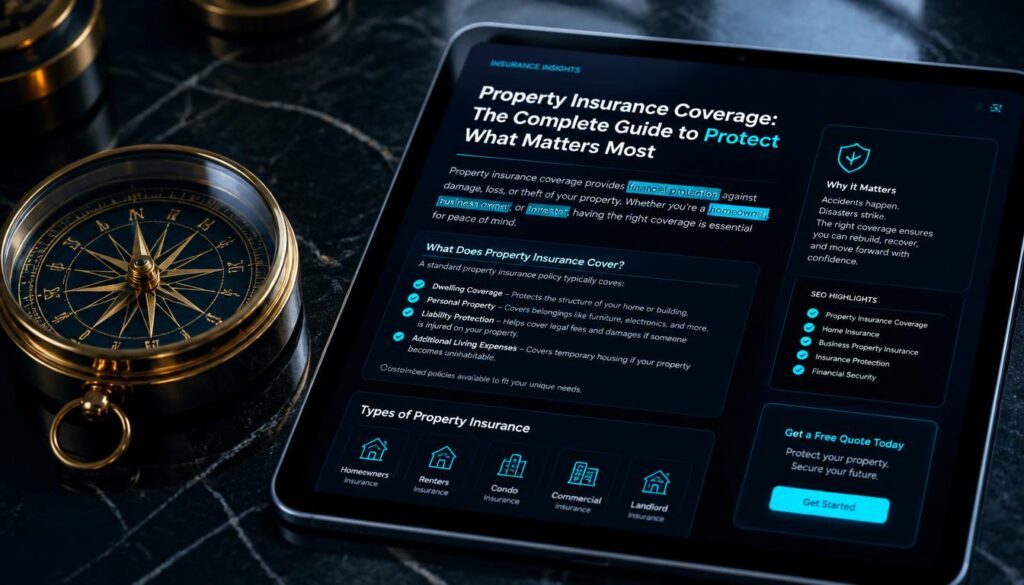
Use SEO to Increase Visibility and Authority
Search engine optimization plays a major role in content marketing for property insurance companies. Even the best content will not generate leads if potential customers cannot find it online.
SEO allows property insurance brands to rank for valuable search terms related to homeowners insurance, commercial property insurance, rental property coverage, and related services.
Strong SEO strategies often include targeting keywords such as:
- property insurance
- home insurance coverage
- homeowners insurance quotes
- commercial property insurance
- rental property insurance
- landlord insurance
- property damage claims
- insurance coverage for homes
- insurance for rental properties
- business property insurance
These keywords should appear naturally throughout articles, landing pages, meta descriptions, and headers.
Long-form educational content tends to perform especially well in search engines because it provides comprehensive information that answers user questions. Search engines prioritize content that demonstrates expertise, experience, authority, and trustworthiness.
Property insurance companies can improve SEO performance by:
- Publishing consistent blog content
- Updating older articles regularly
- Optimizing website speed
- Improving mobile usability
- Building high-quality backlinks
- Using local SEO strategies
- Creating detailed service pages
The more visible an insurance company becomes in search results, the more authority it gains in the eyes of consumers.
Build Credibility Through Localized Content
Local content marketing is extremely valuable for property insurance agencies and regional insurance providers.
Consumers often search for location-based insurance services such as:
- property insurance in Houston
- homeowners insurance in Florida
- commercial property insurance in Dallas
- landlord insurance in California
Localized content helps property insurance brands connect with audiences in specific regions while improving local search rankings.
Insurance companies can create local authority by publishing content about:
- Regional weather risks
- State insurance regulations
- Local property market trends
- Hurricane preparedness
- Wildfire protection strategies
- Flood insurance requirements
- Community events and partnerships
For example, a property insurance company operating in coastal regions could create detailed hurricane preparation guides. A provider serving wildfire-prone areas could publish educational content about fire-resistant home improvements and insurance considerations.
This type of localized expertise shows consumers that the company understands the unique risks facing homeowners and businesses in their area.
Publish Consistent and Reliable Content
Consistency is one of the most important factors in successful content marketing.
Many insurance websites publish a few blog posts and then stop updating their content. This creates the impression that the company is inactive or outdated.
Property insurance brands should develop a long-term content strategy with a regular publishing schedule. Consistent content production signals professionalism and commitment.
Publishing fresh content regularly also improves SEO performance because search engines favor websites that continue updating their information.
A strong content calendar may include:
- Weekly blog articles
- Monthly newsletters
- Seasonal property protection guides
- Quarterly market updates
- Video explainers
- Social media education campaigns
Consistency helps build familiarity with potential customers. The more often consumers encounter valuable content from a property insurance brand, the more likely they are to remember and trust that company.
Use Video Content to Build Human Connections
Video marketing has become increasingly important for insurance companies because it creates stronger emotional connections with audiences.
Many consumers prefer watching videos instead of reading long articles. Property insurance brands can use videos to explain complicated topics in a more engaging and accessible way.
Effective insurance video content may include:
- Property insurance FAQs
- Claim process walkthroughs
- Home safety tips
- Storm preparation guides
- Customer success stories
- Insurance policy explanations
- Behind-the-scenes company videos
Video also humanizes insurance companies. Consumers want to know that real people stand behind the brand. Featuring agents, claims specialists, and customer support teams can make the company feel more approachable and trustworthy.
Short educational videos perform particularly well on social media platforms, helping property insurance brands reach broader audiences.

Share Customer Testimonials and Success Stories
Social proof is a powerful trust-building tool in the insurance industry.
Potential customers often hesitate to purchase insurance because they worry about claim denials or poor customer service. Testimonials and case studies help reduce these concerns by showing real examples of positive customer experiences.
Property insurance brands can build credibility by featuring:
- Verified customer reviews
- Video testimonials
- Claim success stories
- Case studies
- Customer satisfaction statistics
For example, a case study about helping a homeowner recover after severe storm damage can demonstrate the company’s responsiveness and reliability.
Authentic testimonials also help consumers imagine how the company may support them during future emergencies.
Insurance companies should avoid overly scripted or exaggerated testimonials. Genuine experiences tend to build far more trust.
Create Comprehensive Resource Centers
Many successful property insurance companies build authority by creating resource libraries or knowledge centers on their websites.
A comprehensive resource center can include:
- Insurance glossaries
- Downloadable guides
- FAQs
- Checklists
- Interactive tools
- Disaster preparedness resources
- Coverage comparison charts
These resources encourage visitors to spend more time on the website while positioning the insurance company as an educational authority.
For example, a downloadable “Homeowner Disaster Preparedness Checklist” can provide practical value while subtly reinforcing the importance of adequate property insurance coverage.
Resource centers also generate long-term SEO benefits because they attract backlinks and organic traffic.
Demonstrate Expertise Through Industry Insights
Property insurance brands can strengthen authority by discussing broader industry trends and market developments.
Consumers appreciate companies that stay informed about changing insurance risks and regulations.
Content topics may include:
- Rising property insurance costs
- Climate-related insurance challenges
- Changes in flood insurance regulations
- Trends in commercial property claims
- Home reconstruction costs
- Smart home technology and insurance discounts
By sharing expert analysis, insurance companies position themselves as knowledgeable leaders rather than simply policy sellers.
Thought leadership content can also attract media attention and backlink opportunities, further improving online visibility.
Build Trust Through Transparency
Transparency is essential in insurance marketing.
Consumers often distrust insurance providers because they fear hidden fees, confusing policies, or denied claims. Content marketing can help address these concerns directly.
Property insurance companies should create transparent content that explains:
- What policies cover
- Common exclusions
- Deductible structures
- Claim timelines
- Pricing factors
- Policy limitations
Being honest about limitations actually strengthens credibility. Consumers are more likely to trust companies that provide balanced and realistic information.
Transparency also reduces misunderstandings, which can improve customer satisfaction and retention.
Leverage Email Marketing for Relationship Building
Email marketing remains one of the most effective channels for nurturing trust over time.
Many website visitors are not ready to purchase insurance immediately. Email campaigns allow property insurance brands to stay connected while continuing to provide value.
Useful email content may include:
- Seasonal maintenance reminders
- Insurance tips
- Disaster preparedness advice
- Coverage updates
- Home safety recommendations
- Market insights
Educational emails keep the company top-of-mind without appearing overly promotional.
Property insurance agencies can also personalize email campaigns based on customer interests, property types, or geographic locations.
This personalized approach improves engagement and strengthens relationships with potential policyholders.

Use Social Media to Reinforce Authority
Social media platforms provide additional opportunities for property insurance companies to build trust and visibility.
Consumers often evaluate a company’s online presence before making purchasing decisions. Active social media accounts signal that the business is engaged and accessible.
Insurance brands can use social media to share:
- Educational blog posts
- Quick insurance tips
- Weather alerts
- Community involvement
- Customer success stories
- Video content
- Safety reminders
Responding to comments and questions promptly also demonstrates strong customer service.
Social media should focus primarily on helpful and informative content rather than aggressive sales tactics. Educational engagement tends to build stronger long-term trust.
Highlight Community Involvement
Community involvement can significantly improve brand reputation for property insurance companies.
Consumers often prefer working with businesses that actively support local communities. Insurance companies can showcase their values through content about:
- Charity partnerships
- Disaster relief efforts
- Community sponsorships
- Local events
- Volunteer activities
- Educational workshops
This type of content humanizes the brand and reinforces positive public perception.
For local insurance agencies, community engagement can also strengthen regional brand recognition and customer loyalty.
Optimize Content for Mobile Users
Many consumers now research property insurance using mobile devices. A poor mobile experience can damage credibility immediately.
Property insurance brands should ensure that all content is mobile-friendly, easy to navigate, and quick to load.
Mobile optimization includes:
- Fast-loading pages
- Clear formatting
- Readable fonts
- Responsive design
- Simple navigation
- Easy-to-click buttons
A professional mobile experience reinforces trust and improves conversion rates.
Search engines also prioritize mobile-friendly websites, making optimization important for SEO performance.
Use Data and Research to Support Claims
Consumers are more likely to trust content supported by data and research.
Property insurance brands can strengthen authority by including:
- Industry statistics
- Market research
- Risk analysis
- Weather trends
- Claim data
- Home safety studies
Data-driven content appears more credible and informative.
For example, an article discussing the rising costs of storm damage claims can help explain why homeowners insurance premiums may increase in certain regions.
Accurate data also helps insurance companies position themselves as knowledgeable experts within the property insurance industry.
Measure Content Marketing Performance
Successful content marketing requires ongoing evaluation and improvement.
Property insurance companies should track important metrics such as:
- Organic traffic
- Keyword rankings
- Time on page
- Lead generation
- Conversion rates
- Email engagement
- Social media interactions
Analytics help identify which topics resonate most with audiences and which content drives the strongest results.
Over time, this data allows insurance brands to refine their strategies and focus on high-performing content areas.