
What Are The Best Marketing Strategies For Solo Attorneys?
Solo attorneys face unique challenges when it comes to marketing their legal services. Unlike large law firms with full marketing teams and large advertising budgets, solo lawyers often need to manage client work, administration, networking, and marketing on their own. At the same time, competition in the legal industry continues to grow. Potential clients now search online before hiring an attorney, compare reviews, visit websites, and evaluate a lawyer’s reputation long before making a phone call.
The good news is that solo attorneys do not need massive budgets to compete effectively. Smart marketing strategies can help independent lawyers build authority, generate leads, increase referrals, and grow a successful practice over time. Many marketing methods are affordable and highly effective when used consistently.
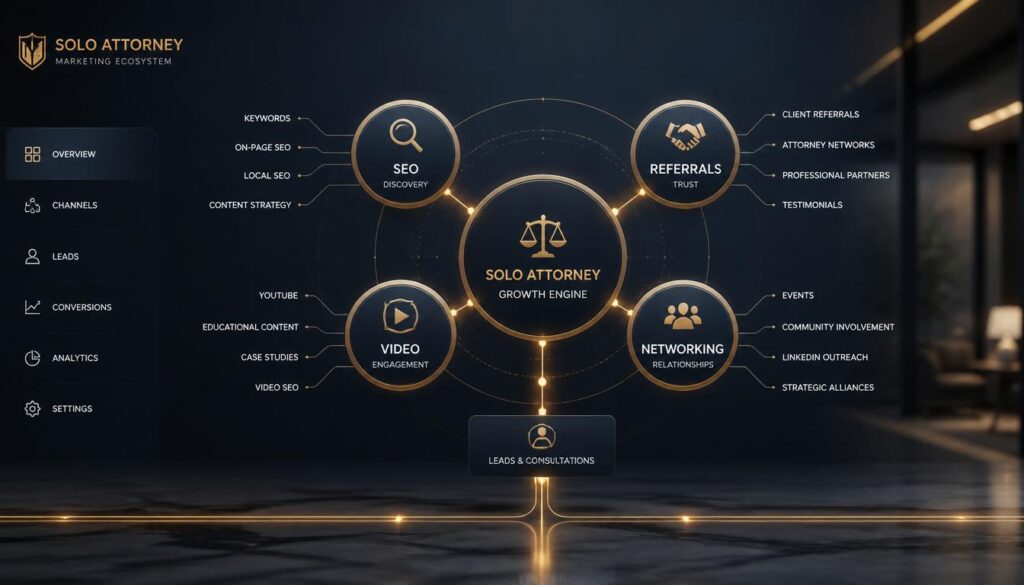
The best marketing strategies for solo attorneys focus on visibility, trust, credibility, and long-term relationship building. A strong online presence combined with local networking and client-focused communication can help solo lawyers stand out in competitive markets.
Build A Professional Law Firm Website
A professional website is one of the most important marketing tools for solo attorneys. Many potential clients judge a lawyer’s credibility based on the quality of their website. An outdated or poorly designed website may cause visitors to leave and contact another attorney instead.
A solo attorney website should look professional, load quickly, and work well on mobile devices. It should clearly explain practice areas, attorney experience, contact information, and client benefits. The website should make it easy for visitors to contact the attorney through forms, phone numbers, or online scheduling tools.
Practice area pages are especially important. Each legal service should have its own dedicated page with detailed information. For example, a family lawyer may have separate pages for divorce, child custody, alimony, and adoption services. These pages help improve search engine rankings while also educating potential clients.
Attorney biography pages are also valuable. Clients want to know who they are hiring. A well-written attorney bio should include experience, education, legal background, awards, certifications, and personal information that helps build trust.
Focus On Local SEO
Local SEO is one of the most effective marketing strategies for solo attorneys because most legal clients search for lawyers within their local area. When someone searches for “personal injury lawyer near me” or “divorce attorney in Dallas,” search engines show local law firms first.
Solo attorneys can improve local SEO by optimizing their website for local keywords. This includes using city names and regional terms throughout website content, titles, and headings. For example, instead of simply saying “criminal defense attorney,” a lawyer might use “criminal defense attorney in Houston.”
Creating location-specific pages can also help. If an attorney serves multiple cities or counties, separate pages can target each service area.
Consistency is important as well. The attorney’s name, address, and phone number should appear consistently across all online directories, legal listings, and social media profiles.
Optimize Google Business Profile
A properly optimized Google Business Profile can significantly increase visibility for solo attorneys. This listing often appears in Google Maps and local search results, making it a major source of phone calls and website traffic.
Solo attorneys should fully complete their Google Business Profile with accurate information, office hours, practice areas, website links, and photos. Professional office photos and attorney headshots can make listings more trustworthy.
Client reviews are extremely important for Google rankings and client trust. Attorneys should encourage satisfied clients to leave honest reviews after successful cases. Positive reviews can strongly influence potential clients who are comparing multiple lawyers.
Regular updates and posts on Google Business Profile can also improve engagement. Attorneys can post legal tips, office updates, blog articles, or community involvement activities.
Invest In Content Marketing
Content marketing helps solo attorneys establish authority and attract potential clients through educational information. Many people search online for answers to legal questions before contacting a lawyer. Attorneys who provide helpful content can build trust early in the client journey.
Blog articles are one of the best content marketing tools for lawyers. Topics should answer common client questions and explain legal issues in simple language. For example:
- • What Should You Do After A Car Accident?
- • How Is Child Custody Determined?
- • What Happens During Bankruptcy?
- • How Long Does Probate Take?
Educational content positions the attorney as a knowledgeable professional while also improving SEO rankings.
Long-form guides, FAQs, videos, and downloadable resources can also attract potential clients. Helpful content encourages visitors to stay on the website longer and increases the chances they will contact the attorney.
Consistency matters more than volume. Publishing one high-quality article each week can produce strong long-term results.
Use Video Marketing
Video marketing has become increasingly important for solo attorneys because video helps build familiarity and trust. Many clients feel more comfortable contacting a lawyer after seeing and hearing them speak.
Simple videos can be highly effective. Solo attorneys do not need expensive production equipment to create useful content. A smartphone and good lighting are often enough.
Common video topics include:
- • Legal tips
- • Frequently asked questions
- • Attorney introductions
- • Case process explanations
- • Client expectations
- • Legal updates
Videos can be posted on websites, social media platforms, YouTube, and Google Business Profile listings.
Short videos tend to perform well on social media, while longer educational videos work well on YouTube and law firm websites.
Create Strong Attorney Branding
Branding is not only for large law firms. Solo attorneys also need clear branding that communicates professionalism, trust, and specialization.
A strong legal brand includes:
- • Professional logo
- • Consistent colors and design
- • Clear messaging
- • Defined practice focus
- • Professional tone
Branding should reflect the attorney’s ideal clients and legal services. For example, a family law attorney may focus on compassionate and supportive messaging, while a business lawyer may emphasize efficiency and professionalism.
Consistent branding across websites, business cards, social media, and advertisements helps create recognition and trust.
Build A Strong Referral Network
Referrals remain one of the most valuable marketing channels for solo attorneys. Many clients prefer hiring lawyers recommended by friends, family members, or other professionals.
Solo attorneys should actively build relationships with:
- • Other lawyers
- • Accountants
- • Financial advisors
- • Therapists
- • Realtors
- • Insurance professionals
- • Business owners
Networking does not always need to feel like sales. Building genuine professional relationships often leads to long-term referral opportunities.
Attorneys should also maintain relationships with former clients. A satisfied client may refer multiple people over time.
Regular communication through newsletters, holiday greetings, or check-ins can help attorneys stay top of mind.
Leverage Social Media Marketing
Social media can help solo attorneys increase visibility, share educational content, and connect with local communities. Attorneys do not need to be active on every platform. Instead, they should focus on platforms that match their target audience.
LinkedIn is useful for professional networking and business-related legal services. Facebook works well for community engagement and consumer-focused practice areas. Instagram and TikTok can help attorneys reach younger audiences through educational short-form videos.
Effective legal social media content includes:
- • Legal tips
- • Common legal mistakes
- • Frequently asked questions
- • Community involvement
- • Blog article promotion
- • Legal news commentary
Attorneys should avoid overly promotional content. Educational and informative posts generally perform better.
Consistency matters more than constant posting. Even a few quality posts each week can build engagement over time.
Use Email Marketing
Email marketing is often overlooked by solo attorneys, but it can be highly effective for maintaining relationships and generating repeat business.
Email newsletters allow attorneys to stay connected with:
- • Former clients
- • Referral partners
- • Business contacts
- • Potential leads
Useful newsletter content may include:
- • Legal updates
- • New blog posts
- • Legal tips
- • Community news
- • Frequently asked questions
Email marketing helps attorneys remain visible without requiring large advertising budgets.
Automation tools can also help solo attorneys save time. Welcome email sequences, consultation follow-ups, and appointment reminders can improve client communication and lead conversion.
Encourage Online Reviews
Online reviews play a major role in legal marketing because potential clients often compare lawyers based on reputation.
Positive reviews increase trust and improve local search visibility. Many people choose attorneys with higher ratings and more positive feedback.
Solo attorneys should develop a system for requesting reviews after successful client experiences. Requests can be sent through email or text messages with direct review links.
Attorneys should also respond professionally to reviews when appropriate. Thanking clients for positive feedback demonstrates professionalism and engagement.
Even a small number of high-quality reviews can significantly impact client decisions.
Network Within The Community
Community involvement can help solo attorneys build visibility and trust. Many clients prefer hiring lawyers who are active in their local communities.
Solo attorneys can participate in:
- • Local business groups
- • Charity events
- • Chamber of commerce organizations
- • Community seminars
- • Educational workshops
- • Local sponsorships
Public speaking opportunities can also position attorneys as local experts. Free legal workshops or webinars can attract potential clients while building credibility.
Community networking often produces long-term referral relationships and brand recognition.
Develop A Niche Practice
Solo attorneys can often compete more effectively by focusing on specific legal niches instead of trying to handle every type of case.
Niche marketing helps attorneys stand out in crowded markets. Examples include:
- • Motorcycle accident law
- • Immigration for healthcare workers
- • High-asset divorce
- • Elder law
- • Startup business law
- • DUI defense
Specialization can improve SEO rankings, referral opportunities, and client trust. People often prefer attorneys who appear highly experienced in their specific legal issue.
A niche focus also makes marketing more targeted and efficient.
Use Client Testimonials
Testimonials help build trust because potential clients want reassurance before hiring a lawyer.
Written testimonials can be added to websites, landing pages, brochures, and social media posts. Video testimonials can be even more powerful because they feel more personal and authentic.
Testimonials should focus on:
- • Client experience
- • Communication quality
- • Professionalism
- • Case support
- • Positive outcomes
Attorneys must follow ethical guidelines regarding testimonials and advertising in their jurisdiction.
Improve Website Conversion Rates
Getting website traffic is only part of legal marketing success. Attorneys also need websites that convert visitors into leads.
Important conversion elements include:
- • Clear calls to action
- • Fast-loading pages
- • Mobile-friendly design
- • Simple contact forms
- • Click-to-call buttons
- • Trust indicators
- • Testimonials
- • Attorney credentials
Many potential clients leave websites because they cannot quickly find contact information or understand the attorney’s services.
Online scheduling tools can also increase consultations by making it easier for potential clients to book appointments.
Track Marketing Performance
Solo attorneys should monitor marketing performance regularly to understand what works best.
Useful metrics include:
- • Website traffic
- • Phone calls
- • Contact form submissions
- • Consultation bookings
- • Google rankings
- • Review growth
- • Advertising costs
- • Conversion rates
Tracking data helps attorneys make smarter marketing decisions and avoid wasting money on ineffective strategies.
Simple tools like Google Analytics, Google Search Console, and call tracking software can provide valuable insights.
Stay Consistent
One of the biggest mistakes solo attorneys make is stopping marketing during busy periods. Marketing works best when done consistently over time.
SEO, content marketing, networking, and reputation building are long-term strategies. Results may take several months, but consistent effort often produces steady growth.
Solo attorneys should create manageable marketing routines that fit their schedules. Even a few hours each week dedicated to marketing can create significant long-term benefits.
Consistency builds visibility, trust, and brand recognition over time.
Prioritize Client Experience
Client experience itself is one of the most powerful marketing tools available to solo attorneys. Happy clients often leave reviews, refer friends, and become long-term supporters.
Strong client communication is especially important. Many complaints against lawyers involve poor communication rather than legal outcomes.
Attorneys should focus on:
- • Prompt responses
- • Clear explanations
- • Professional communication
- • Transparency
- • Compassion
- • Reliability
Positive client experiences naturally lead to referrals and reputation growth.