
What Are the Best Web Design Practices for Accessible Auto Insurance Quote Funnels?
Auto insurance providers in the United States are investing heavily in digital marketing, but many companies still lose qualified leads because their quote funnels are difficult to navigate, slow to load, or inaccessible to users with disabilities. In an increasingly competitive market where consumers compare multiple car insurance companies online within minutes, web design quality directly affects conversion rates, lead quality, customer trust, and search engine visibility.
An accessible auto insurance quote funnel is no longer optional. It improves user experience for all visitors, supports ADA compliance efforts, increases mobile conversions, strengthens SEO performance, and helps auto insurance agencies reach a wider audience. Modern consumers expect fast-loading quote pages, intuitive forms, readable layouts, mobile optimization, and transparent communication before they submit their information.
For auto insurance companies, regional insurance providers, independent auto insurance agencies, and digital marketers serving the insurance industry, accessible web design creates measurable business advantages. Better usability leads to lower bounce rates, longer session durations, more completed quotes, and improved trust among high-intent insurance shoppers.
This article explores the best web design practices for accessible auto insurance quote funnels, including UX optimization, ADA accessibility, mobile-first design, form simplification, SEO improvements, trust-building techniques, conversion rate optimization, and technical performance enhancements.
Why Accessibility Matters for Auto Insurance Quote Funnels
Accessibility refers to designing websites that can be used effectively by people with disabilities, including users with visual impairments, hearing limitations, motor disabilities, or cognitive challenges. However, accessibility improvements also create a smoother experience for all users.
For auto insurance providers, accessibility directly impacts revenue generation. A confusing or inaccessible quote process creates friction that discourages consumers from completing forms. Because the auto insurance industry is highly competitive, even small usability issues can cause users to abandon a site and request quotes from another insurer.
Accessible insurance websites also support broader marketing goals such as:
- Higher Google rankings
- Improved Core Web Vitals scores
- Better mobile usability
- Lower abandonment rates
- Higher trust signals
- Improved brand perception
- Increased lead quality
- Stronger local SEO performance
Consumers searching for terms like “cheap car insurance,” “same day auto insurance,” “high-risk auto insurance,” “SR-22 insurance,” or “best auto insurance companies near me” typically want fast answers and a simple quote experience. If the funnel is overly complex or difficult to use, the company loses valuable opportunities.
Use Mobile-First Design for Insurance Quote Funnels
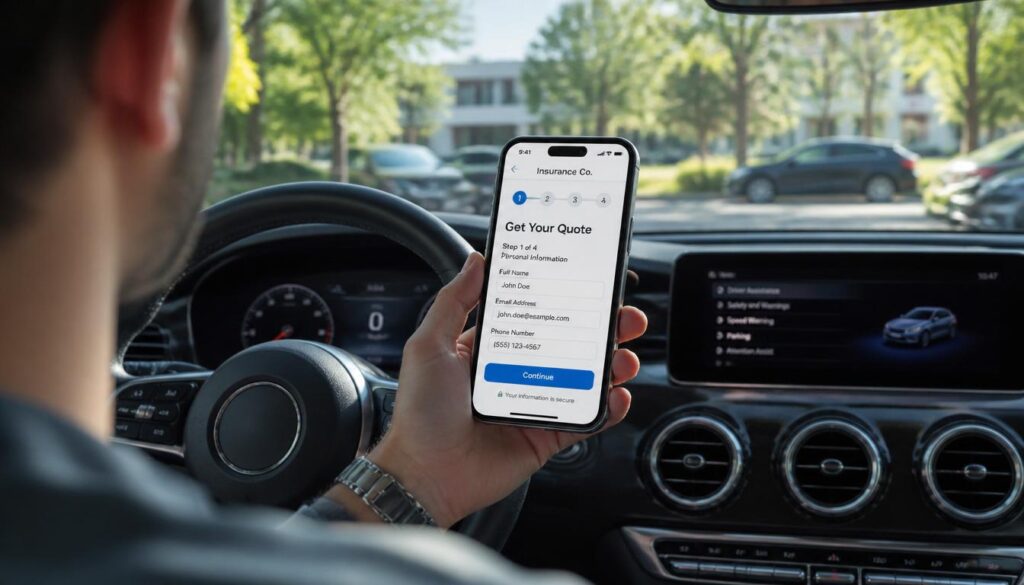
Most auto insurance shoppers now browse and request quotes using smartphones. A mobile-first design strategy ensures the entire quote process works seamlessly across smaller screens.
Many insurance websites still make critical mobile UX mistakes, including:
- Tiny form fields
- Hard-to-read text
- Overcrowded layouts
- Poor button spacing
- Excessive scrolling
- Slow-loading pages
- Confusing navigation menus
Auto insurance quote funnels should prioritize mobile responsiveness from the beginning rather than adapting desktop layouts afterward.
Best practices include:
Large Touch-Friendly Buttons
CTA buttons such as “Get My Quote,” “Compare Auto Insurance Rates,” or “Start Your Quote” should be large enough for easy tapping on mobile devices.
Simplified Navigation
Insurance consumers should never feel lost during the quote process. Keep navigation minimal and focused.
Sticky CTA Elements
Sticky quote buttons improve conversions by keeping the primary action visible while users scroll through insurance information.
Fast Loading Speeds
Page speed is critical for both SEO and conversion optimization. Delays increase bounce rates dramatically, especially on mobile connections.
Readable Typography
Use large fonts with strong contrast ratios. Many users browsing car insurance websites may struggle with small text or poor readability.
Mobile optimization is particularly important for regional auto insurance agencies competing against national carriers. A better mobile experience can significantly improve lead conversion rates without increasing ad spend.
Simplify Auto Insurance Quote Forms
One of the biggest conversion killers in the insurance industry is excessive form complexity. Many auto insurance websites overwhelm users with too many required fields before delivering any value.
Consumers seeking car insurance quotes expect efficiency. Long forms create fatigue and reduce completion rates.
Reduce Initial Form Fields
Instead of asking for every detail immediately, start with only essential information such as:
- ZIP code
- Vehicle type
- Driver age range
- Coverage interest
Progressive disclosure allows insurers to collect additional details later in the funnel.
Use Multi-Step Forms
Breaking forms into smaller steps improves psychological usability. Multi-step quote funnels feel less overwhelming than one massive form.
This strategy also improves lead retention because users who complete the first step are more likely to continue.
Include Progress Indicators
Progress bars reassure users that the process is manageable.
For example:
- Step 1: Vehicle Information
- Step 2: Driver Information
- Step 3: Coverage Preferences
- Step 4: Quote Results
Enable Autofill Features
Browser autofill support reduces friction and speeds up quote completion.
Provide Real-Time Validation
Error messages should appear immediately rather than after full form submission.
For example:
- Invalid ZIP code
- Incorrect phone format
- Missing required field
Real-time validation reduces frustration and improves usability.
Improve ADA Accessibility Compliance
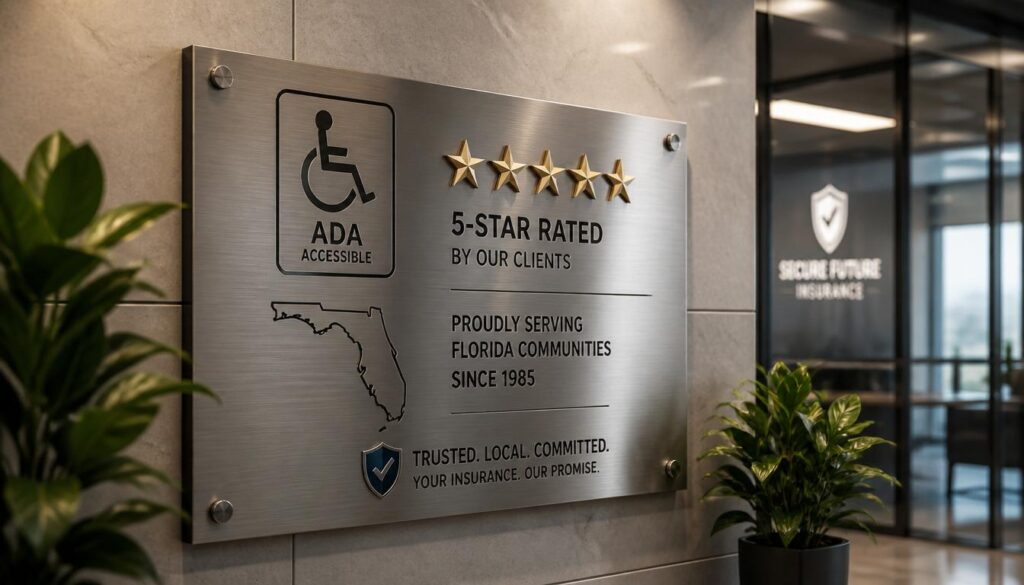
Accessibility compliance is becoming increasingly important for insurance websites in the United States. While legal standards vary, following WCAG guidelines significantly improves usability and reduces compliance risks.
Use Proper Color Contrast
Low-contrast designs are common on modern insurance websites but create readability problems for visually impaired users.
Text should remain highly readable against all backgrounds.
Add Keyboard Navigation Support
Some users cannot use a mouse and rely entirely on keyboard navigation.
Insurance quote forms should support:
- Tab navigation
- Keyboard-accessible dropdowns
- Visible focus indicators
- Skip navigation links
Include Alt Text for Images
All meaningful images should include descriptive alt text.
For example:
- “Driver comparing auto insurance quotes online”
- “Family reviewing car insurance policy”
Support Screen Readers
Proper HTML structure improves compatibility with screen readers.
Use:
- Semantic headings
- Proper label associations
- ARIA attributes where appropriate
- Logical content hierarchy
Avoid Auto-Playing Media
Unexpected audio or video content can create accessibility issues and negatively affect user experience.
Accessible design helps all visitors, not just disabled users. Cleaner layouts and simpler navigation improve usability across the board.
Build Trust Throughout the Quote Funnel
Trust is critical in the auto insurance industry because consumers share sensitive personal information during quote requests.
Many users hesitate to provide data unless the website appears secure, professional, and credible.
Display Security Signals
Include visible indicators such as:
- SSL certificates
- Secure form badges
- Privacy assurances
- Trusted payment icons
- Licensing information
Showcase Customer Reviews
Positive testimonials build credibility and reduce hesitation.
Include:
- Google reviews
- Verified testimonials
- Third-party ratings
- Customer success stories
Highlight Industry Experience
Consumers often trust insurers with established experience and authority.
Mention:
- Years in business
- States served
- Number of policyholders
- Claims support capabilities
Use Professional Visual Design
Outdated design damages credibility immediately.
Modern auto insurance websites should feature:
- Clean layouts
- Consistent branding
- Professional photography
- Organized content sections
- Clear typography
A visually polished quote funnel increases perceived trustworthiness and professionalism.
Optimize for Local SEO and Organic Search
Auto insurance providers that invest in SEO-friendly web design gain long-term traffic advantages over competitors relying solely on PPC advertising.
Accessible websites often perform better in organic search because usability improvements align closely with Google ranking factors.
Use Location-Specific Landing Pages
Create optimized pages targeting searches such as:
- Auto insurance in Texas
- Car insurance quotes in Florida
- Cheap auto insurance California
- SR-22 insurance Illinois
Regional optimization improves local search visibility.
Improve Internal Linking
Guide users toward quote pages using contextual internal links.
Examples include:
- Coverage guides
- Claims information
- State-specific insurance laws
- Safe driving tips
- Teen driver insurance articles
Optimize Core Web Vitals
Google prioritizes websites with strong performance metrics.
Focus on:
- Largest Contentful Paint (LCP)
- Interaction to Next Paint (INP)
- Cumulative Layout Shift (CLS)
Use SEO-Friendly Content Structure
Insurance websites should use:
- Clear headings
- Structured content
- Descriptive title tags
- Optimized meta descriptions
- Keyword-rich service pages
Keywords related to auto insurance providers should appear naturally throughout the website.
Examples include:
- Auto insurance companies
- Car insurance quotes
- High-risk auto insurance
- Commercial auto insurance
- Liability coverage
- Full coverage auto insurance
- Independent insurance agency
- Compare auto insurance rates
- Affordable car insurance
- Same day car insurance
SEO-focused web design helps insurance providers attract more qualified organic traffic over time.
Improve Page Speed Across the Funnel
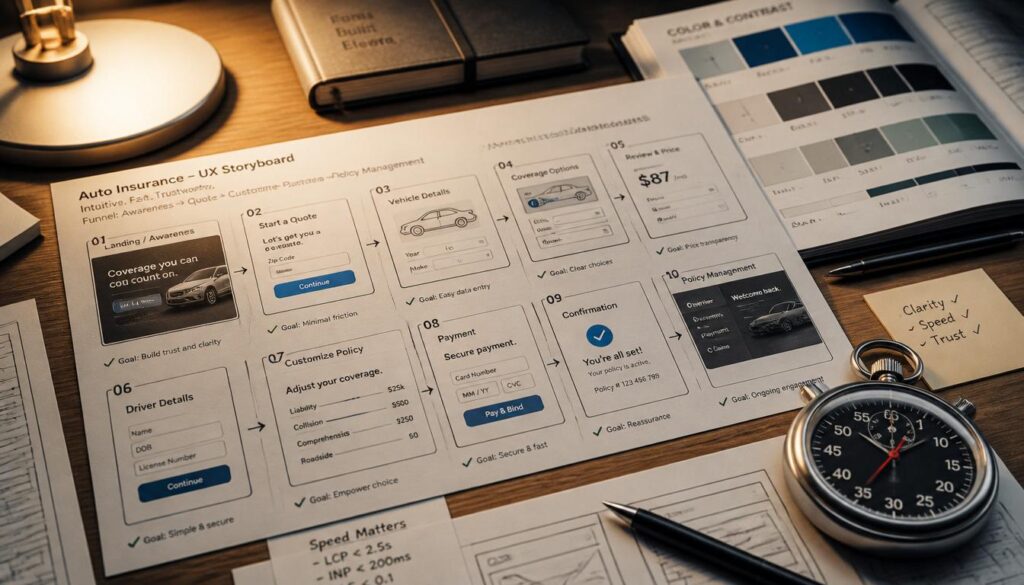
Speed directly affects both SEO rankings and conversion rates.
Users searching for auto insurance quotes expect fast responses. Slow websites create frustration and increase abandonment rates.
Compress Images
Large image files are one of the biggest causes of slow insurance websites.
Use:
- Modern image formats
- Responsive image sizing
- Compression tools
Reduce Third-Party Scripts
Many insurance websites overload pages with:
- Chat widgets
- Tracking tools
- Heatmaps
- Popups
- Ad scripts
Excessive scripts slow down the quote process.
Use Reliable Hosting
Cheap hosting negatively impacts speed and reliability.
Auto insurance companies should invest in scalable hosting infrastructure capable of handling traffic spikes.
Enable Browser Caching
Caching improves repeat visit performance and reduces load times.
Minimize Redirects
Too many redirects slow the funnel and create technical friction.
Fast-loading quote funnels consistently outperform slower competitors in lead generation.
Create Clear Calls to Action
Every page within an auto insurance funnel should guide users toward a clear next step.
Weak or confusing CTAs reduce conversions dramatically.
Use Action-Oriented Language
Strong CTA examples include:
- Get My Auto Insurance Quote
- Compare Car Insurance Rates
- Start My Free Quote
- See Coverage Options
- Check My Eligibility
Maintain Visual Contrast
CTA buttons should stand out clearly from surrounding content.
Limit Competing Actions
Too many choices create decision fatigue.
Avoid cluttering quote pages with unnecessary navigation links or distractions.
Place CTAs Strategically
High-converting insurance websites place CTAs:
- Above the fold
- After key benefits
- Within informational content
- At the bottom of pages
- In sticky mobile elements
Strong CTA placement improves lead generation without requiring additional advertising spend.
Design for High-Risk and Specialized Insurance Audiences
Many insurance providers target specialized markets such as:
- High-risk drivers
- Commercial fleet owners
- Teen drivers
- Rideshare drivers
- SR-22 applicants
- DUI insurance customers
These audiences often experience anxiety during the quote process.
Accessible design reduces stress and increases trust.
Use Empathetic Messaging
Avoid overly technical insurance jargon.
Use reassuring language such as:
- Fast approvals
- Flexible payment options
- Affordable coverage solutions
- Experienced insurance specialists
Provide Educational Content
Many drivers do not fully understand coverage terminology.
Helpful educational resources improve trust and SEO simultaneously.
Offer Multiple Contact Options
Users should easily access:
- Live chat
- Phone support
- Email assistance
- Quote callbacks
Multiple support channels improve accessibility and lead conversion.
Use Data and Analytics to Improve Funnel Performance
Accessible quote funnels require continuous optimization.
Insurance companies should monitor:
- Bounce rates
- Form abandonment
- Mobile conversion rates
- Heatmaps
- Session recordings
- CTA click-through rates
- Quote completion percentages
A/B testing helps identify performance improvements.
Common testing areas include:
- CTA wording
- Form length
- Page layouts
- Trust badge placement
- Headline messaging
- Mobile button size
Small UX changes can significantly increase completed insurance quote submissions.
Reduce Cognitive Load During the Funnel
Many insurance websites overwhelm users with excessive information.
Reducing cognitive load improves accessibility and usability.
Break Content Into Sections
Use short paragraphs and clear headings.
Avoid Dense Legal Text
Consumers rarely read large blocks of insurance terminology.
Simplify explanations wherever possible.
Use White Space Effectively
Crowded layouts increase mental fatigue.
Proper spacing improves readability and focus.
Highlight Key Benefits Clearly
Users should immediately understand:
- Why the insurer is different
- What coverage options are available
- How quickly quotes are delivered
- What makes the process easier
Simple, focused design improves user confidence and engagement.
Incorporate Accessibility Into Long-Term Digital Marketing Strategy
Accessibility should not be treated as a one-time compliance task.
Instead, it should become part of the broader digital marketing strategy for auto insurance providers.
Accessible web design supports:
- SEO growth
- PPC landing page performance
- Conversion optimization
- Brand reputation
- Customer retention
- Local search visibility
- AI search discoverability
As search engines increasingly prioritize user experience, accessible design will continue becoming more important for organic rankings.
Insurance providers that invest early in accessibility gain long-term competitive advantages.